Phase 2--Digital Architecture and Programs
IN THIS LESSON
Intro to Rhino 3D
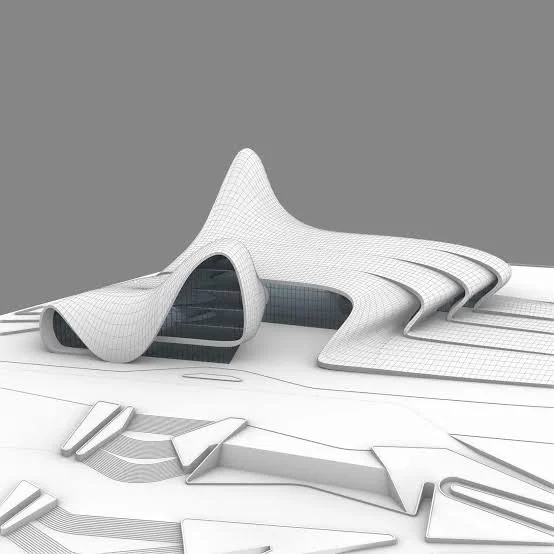
Explore Rhino's 3D modeling environment and learn how architects use curves, surfaces, and solid geometry to develop complex architectural forms. Practice navigating the interface, organizing models, and using essential modeling commands to bring your designs to life.
Accessing the Assignment
Download the Lesson 3 PDF worksheet.
Open the video tutorial in the Additional Resources section.
Follow along with the demonstration and complete the guided notes.
Complete the sculptural pavilion design assignment in Rhino.
Submit your finished project through the Project Submission & Review section.
Ready to share your work? Submit your completed architecture projects to receive feedback and track your progress as you develop your design skills.
Submission Instructions
Please include the following with every project submission:
Project Name: Give your project a title.
Lesson: Identify the Phase and Lesson associated with your project.
Software Used: List the program(s) you used to complete your design.
Project Upload: Provide a shareable link or completed PDF to your completed digital project, if applicable.
Project Images: Upload clear screenshots or exported images of your finished design. Include multiple perspectives when relevant.
Design Reflection: Briefly explain your design, the tools you used, any challenges you encountered, and what you would improve.
Before Submitting
Make sure your project is complete and saved.
Check that your project link is accessible.
Ensure all uploaded images are clear and show your work.
Include all required files and information.
What Happens Next?
Once submitted, your project will be reviewed. Feedback will focus on your design decisions, use of architectural tools, creativity, and opportunities for improvement.
Remember: Your projects are an opportunity to experiment, develop your skills, and document your growth as a designer. Don't be afraid to try something new!
-
Watch: Rhino 3D Beginner Tutorial: Modeling Fundamentals
Learn how to navigate Rhino, understand its geometry types, organize layers, and use essential modeling commands to create three-dimensional forms.